
How to Plan a Calm Holiday Season With The Kids--Part 2

We've made it through the first week of November, where here in northern New Jersey schools were closed in most school districts for three of the five days. In my last blog, I shared strategies for developing a "here's-what-we-do-when-there's-no-school" routine. Hopefully, those strategies made the transition back into this full week of school easier! In this blog, I would like to discuss three holiday-specific challenges, and how to handle them in a way that honors your child's feelings while letting extended family enjoy their time with you and your little (or not so little) ones. These challenges are food stress, sensory overload, and social pressure.
Food Stress
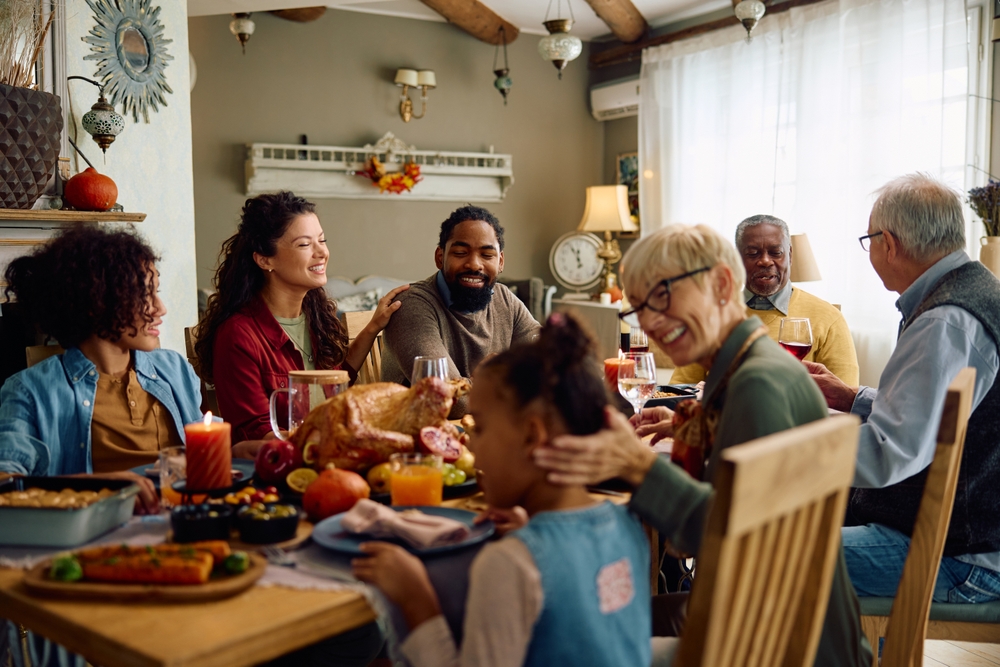
The term "food stress" includes a range of issues--from eating a larger meal either earlier or later than usual, to being asked to eat unfamiliar food, to strong aromas that your child may either find unpleasant or odd. An older child who's exploring vegetarianism may find themselves at Grandma's house with a platter of turkey in front of them. Here are a few suggestions that may keep your child comfortable, and your host from becoming defensive:
- Bring your own food. If your child had a food allergy, and you came to Thanksgiving dinner with something special for him or her--no one would give it a second thought. You are protecting your child from harm. In its way, food stress is no different. If your child will only eat cucumbers with ranch dip and chicken nuggets, why put your child (and everyone at the dinner table) through a battle of wills? If you feel like it might be awkward to have your child eat something entirely different from everyone else, you could also bring a dish to share with everyone. This could be anything from steamed carrots to macaroni and cheese to cornbread. Choose the option--individual plate or dish to share--that works best for you.
- If your child is open to it, serve them "try bites" of unfamiliar foods. If your child has strong preferences for what they like to eat, but doesn't mind sampling new foods--serve "try bites," which are just tiny "tastes" of those new or unfamiliar foods. This way, your child won't feel overwhelmed. Their plate might look like an artist's palate, but that's okay! They can always ask for more of something they like.
- Avoid having your child become "hangry;" pack snacks. Thanksgiving dinner is typically served at a different time than our "everyday" dinner. It's more like a late lunch! If disrupted eating schedules can be uncomfortable for adults, imagine how much more so for children! That said, make sure your child has a good breakfast, and access to light yet nutritious snacks that can tide them over until the feast!
- For those who are sensitive to aromas, practice with a "smell tour." In these next two weeks before Thanksgiving, you can set up--in your kitchen or dining area--stations of scents that your child might encounter on the holiday. You might include herbs like sage, spices like cinnamon, and the aptly-named aromatics like garlic or onion. Be sure to use small amounts, and to perhaps do several tours; a second 'smell tour' could be an opportunity to get used to something your child avoided on the first go-round. If something proves too unpleasant--both on your "tour" and at dinner--allow your child to sniff something more pleasant, like lavender or lemon. If time doesn't allow for a practice "smell tour," you can always have your child start out by eating something that is not particularly aromatic--like plain bread or crackers--so that the strong smells are not right in their face, so to speak. You can also opt to sit farther away from the kitchen or near a window or door.
Sensory Overload
What is your holiday get-together like? Is it multiple conversations swirling around? A football game on the TV in the background of those conversations? Perhaps it's holiday music? All of these things can add up to overstimulation or sensory overload. In little ones, these can look like acting out or having a meltdown. When there is so much sensory input, it can be overwhelming. so, how can you cope--regardless of age? Here are some strategies:
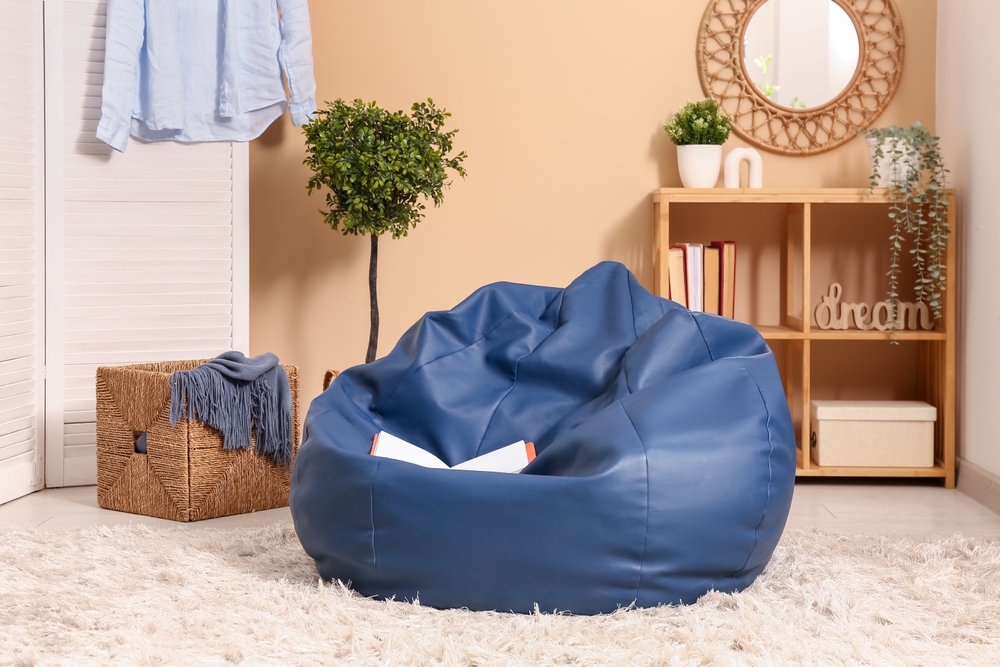
- Designate or Identify a "Quiet Zone." If you are hosting the Thanksgiving gathering, designate one area of your home as a "quiet zone." This could be a den, a living room area, or playroom where the music is turned off, there's no television going--but there are plenty of books, cozy blankets, and comfy chairs. If you are the guest in someone else's home, scope out a quiet corner upon arrival. If your child is getting too stimulated, guiding them to this area may help. You can read them a story, or work on a puzzle, or draw or color.
- Be prepared. Noise-cancelling headphones, a favorite squishy toy, or beloved activity (like Legos) can be gentle ways to lower the energy for the young ones. While khakis and a button-down shirt, or a dress and tights might be appropriate for the occasion--itchy or uncomfortable clothing are just one more input on a day filled with sights, sounds, and smells. Flannels, fleece, and sneakers might be a more soothing way to go.
- Go for a walk. Fresh air and the sounds of nature may provide a pleasurable break from the hubbub of people. Look for squirrels, deer, various birds; collect some leaves. Count how many blue cars you see. Anything you can think of to help young minds focus on something other than noise and action.
Social Pressure

As adults, we might find it hard to make conversation with relatives we only see once or twice a year. For children, especially shy ones, having to interact with unfamiliar faces can be incredibly difficult. Aunts, uncles, cousins who haven't seen your child in a while can pepper them with questions, which again can be overwhelming or awkward. The following tips might make those interactions go more smoothly:
- Rehearse greetings. This allows your child to gain the confidence to say things like: "Can we fist-bump instead of hug?" "I'd rather give you a high-five." It's never too early to learn how to shake hands! Let your child know, too, that the 'side-hug' is a perfectly fine way of accepting a hug from relatives.
- Practice conversations, including how to end one cordially. Think of the questions adults tend to ask children: "How's school going?" "Are you playing any sports this year?" "Do you like doing____________ (tae kwon do, band, cheerleading, soccer)?" All of them can be answered with one word! So that your child doesn't feel like he or she is getting interrogated--and so that those family members don't feel like they are getting shut down--practice expanding on those answers and asking questions of the grown-ups. These could include things like: "What was your favorite subject when you were in school?" "Did you play any sports when you were my age?" "What clubs did you belong to in school?" Remember, people love to talk about themselves! Also, remind your child that it is okay to end a conversation as well. Give them some phrases to use, such as: "It's been fun talking to you, but I'm going to find my _________________(mom, dad, brother, sister) now." "I'm going to see if Grandma needs any help in the kitchen." "I think I'm ready to go play now. May I be excused?" Practicing making conversation and leaving one gracefully is a win for everyone; you look like a rock-star parent for having such a gracious and polite child, and your child is spared the awkwardness of conversation with people he or she doesn't know well.
- Use the buddy system. Pairing your child with a sibling or cousin can make those social interactions with adults more comfortable, because they can take turns answering questions! It takes the spotlight off of them as an individual and makes it a little bit more like the conversations they have with teachers at school. Having a buddy, too, amongst a room full of grown-ups can make the Thanksgiving dinner just a little less boring!

I hope that you have found some tip or nugget of information that could be useful in having a calmer holiday season, especially at family get-togethers. These tips can be used again for the December holidays, or any time that your family or friends gather as a large group. While the bulk of these tips are aimed at helping your child deal with the onslaught of emotions that come with the overstimulation of the holidays, I'd like to also share specifically how ChoreVoyant can help you manage the overwhelm this time of year can bring! ChoreVoyant can help you execute the strategies offered here by:
- Helping you with packing your child's belongings for that holiday trip.
- Shopping for those snacks that will keep your child nourished and happy.
- Preping the ingredients for any dish you are bringing to share.
- Ordering those noise-cancelling headphones.
ChoreVoyant can also help eliminate holiday stress for you by:
- Helping you avoid crowds at the grocery store by shopping for you.
- Washing the "good dishes" by hand in advance of the feast!
- Getting the tablecloth and napkins dry-cleaned before or after the holiday.
- Taking care of any specialty shopping for cakes or liquor.
- Serving as a "second brain," helping you think of all the things you might need--extra food storage containers, as one example.
Your usual schedule of work, school activities, and household tasks doesn't stop during the holidays. More things just get added to your already-hectic life. ChoreVoyant can take on your household tasks and errands, giving you a bit more time to enjoy the season.
If you live in Bergen County and would like to explore how ChoreVoyant can help you manage both the mental and logistical aspects of running a home--any time of year--click here or give Marcia a call at (201)707-5813.
